Premium Motorbike Jackets for Protection, Comfort & Style
Ride Smarter with the Right Motorbike Jacket
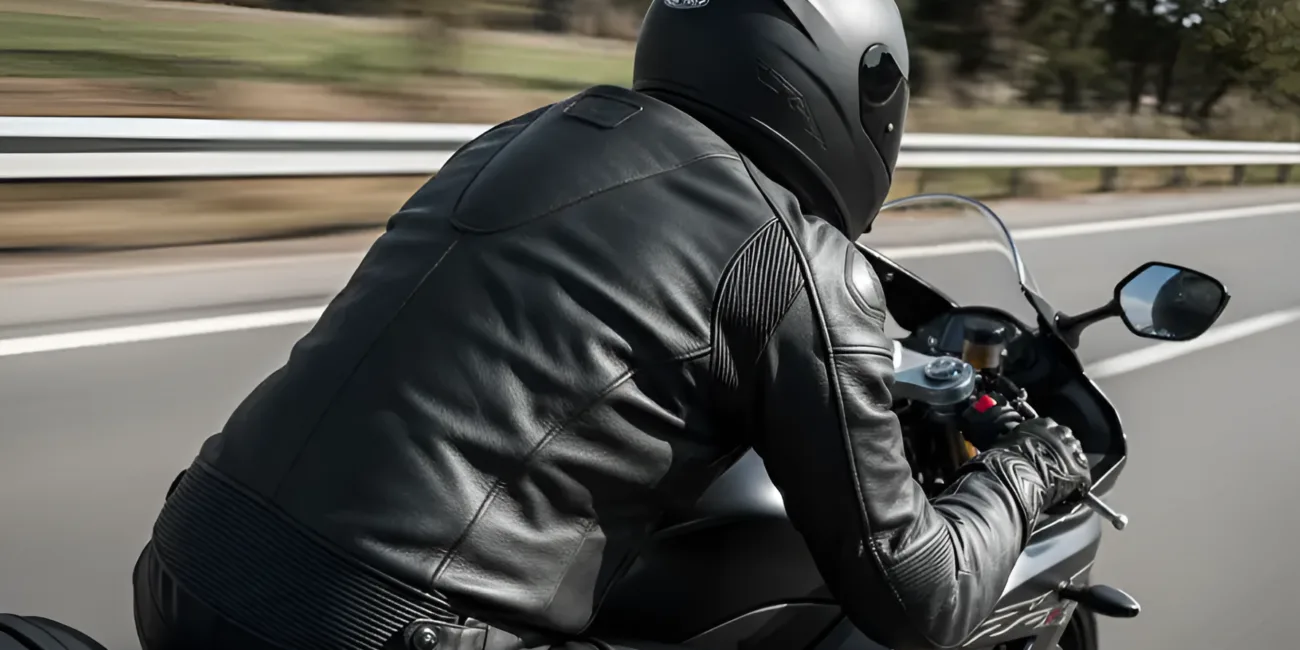
A motorbike jacket is one of the most important pieces of riding gear. It protects your upper body, improves riding comfort, and enhances your overall look. Whether you are commuting daily, touring long distances, or enjoying weekend rides, a well-designed motorcycle jacket keeps you safe and confident on the road.
High-Quality Materials for Maximum Protection
Motorbike jackets are made using durable materials such as leather and advanced textile fabrics. Leather jackets offer excellent abrasion resistance, while textile jackets provide flexibility, breathability, and weather resistance. Both types are designed to reduce injury in case of an accident and withstand harsh riding conditions.
Built-In Armor and Safety Features
Modern motorcycle jackets come equipped with protective armor at key impact areas, including shoulders, elbows, and back. These reinforced zones help absorb impact and reduce the risk of serious injury. Many jackets also allow riders to upgrade or add extra armor for enhanced safety.
Comfort for Long and Short Rides
Comfort is essential for any rider. Motorbike jackets feature ergonomic fits, adjustable cuffs, waist straps, and stretch panels to support natural movement. Ventilation panels and breathable liners help regulate body temperature, making the jacket suitable for both warm and cool weather conditions.
Stylish Designs for Every Rider
Today’s motorbike jackets are designed to look as good as they perform. From classic leather styles to modern textile jackets, riders can choose designs that match their personality. A well-styled jacket not only protects you but also adds confidence every time you ride.
Why a Motorbike Jacket Is Essential
-
Protects shoulders, elbows, chest, and back
-
Reduces injury during falls or slides
-
Enhances comfort during long rides
-
Provides weather and wind protection
-
Improves visibility with reflective elements
A quality motorbike jacket is not optional—it is a necessity for responsible riding.
Choosing the Right Motorbike Jacket
When selecting a jacket, consider your riding style, climate, and comfort needs. Look for proper sizing, certified armour, strong stitching, and ventilation options. A good jacket should fit snugly without restricting movement.
Buy Motorbike Jackets Online
You can easily buy motorbike jackets online with confidence by checking size guides, material details, and product features. Online shopping allows riders to explore a wide range of jackets designed for safety and performance.
Ride Protected, Ride Confident
A premium motorbike jacket offers the perfect balance of protection, comfort, and style. Whether you are a beginner or an experienced rider, investing in the right jacket enhances your safety and overall riding experience.
Upgrade your riding gear today and enjoy every ride with confidence.
FAQ'S
Q1: Why is wearing a motorbike jacket important?
A motorbike jacket protects your upper body from injuries, wind, and weather conditions. It also provides abrasion resistance and impact protection during falls.
Q2: What materials are used in motorbike jackets?
Motorbike jackets are commonly made from leather and textile materials. Leather offers excellent abrasion resistance, while textile jackets provide flexibility and breathability.
Q3: Do motorbike jackets include protective armor?
Yes, most motorbike jackets include built-in armor at shoulders and elbows, with optional back protectors for enhanced safety.
Q4: Can motorbike jackets be used in all seasons?
Many jackets are designed for all-season use and include removable thermal liners and ventilation panels for comfort in different weather conditions.
Q5: How should a motorbike jacket fit?
A motorbike jacket should fit snugly without restricting movement. Armor should stay in the correct position while riding.
Q6: Can I buy a motorbike jacket online?
Yes, you can buy motorbike jackets online by checking size charts, product details, and customer reviews for the best fit.


